
What is Citrine? The Sunny Yellow Quartz Gemstone
What is citrine?
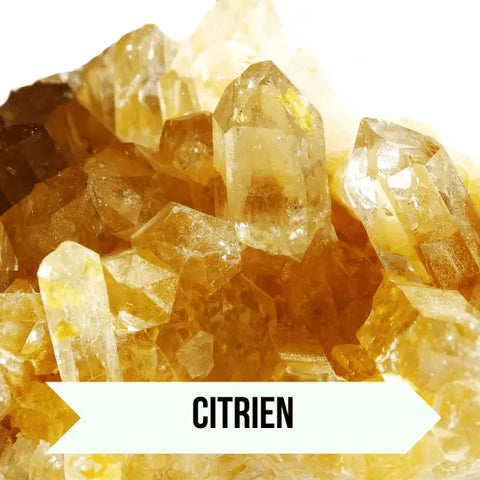
Citrine is a yellow to orange variety of quartz that owes its color to traces of iron. The name is derived from the French word citron (lemon), referring to the stone's lemon-yellow color. Citrine scores 7 on the Mohs scale and is popular in jewelry due to its bright, sunny color and affordability. It is also valued for its purported healing properties, such as promoting positive energy and attracting wealth. View our crystal jewelry collection for unique gemstones.
Characteristics of citrine
Color — citrine ranges from light yellow to golden yellow, orange, and brownish. Natural citrine is often light yellow; the more intense yellow and orange hues are usually the result of heat treatment. Hardness — 7 on the Mohs scale: durable enough for daily wear in rings, bracelets, and pendants. Transparency and luster — citrine is usually transparent with a vitreous luster that beautifully reflects light for a sparkling effect.
Citrine deposits
Brazil is the largest producer of citrine, with large quantities of high quality. Other important deposits include Madagascar, Russia, and the United States (particularly Colorado). Much of the citrine on the market is treated — heat-treated amethyst or smoky quartz gives a deeper, more vibrant yellow or orange color.
Use of citrine in jewelry
Citrine is a versatile gemstone that is popular in a wide range of jewelry. Citrine rings are prized for their sparkling colors for both everyday and formal occasions. Citrine pendants and necklaces add a touch of sunshine to any outfit. Citrine is also incorporated into earrings due to its radiant luster and versatility in various styles.
Spiritual meaning of citrine
Citrine is known as the "stone of the sun" and is associated with positive energy, joy, and abundance. It is believed to help ward off negativity and promote self-confidence and happiness. Citrine is also considered a stone of wealth and success, and is used in manifestation practices to attract prosperity. It is connected to the solar plexus chakra.
Frequently asked questions about citrine
- Is citrine suitable for daily wear?
- Yes, thanks to its hardness of 7 on the Mohs scale, citrine is durable enough for daily wear in rings, bracelets, and earrings. Avoid hard knocks to prevent breakage.
- How do I care for citrine jewelry?
- Clean citrine with lukewarm water and a soft cloth. Avoid harsh cleaners, chemicals, and prolonged exposure to direct sunlight — this can fade its color. Store separately from harder stones to prevent scratches.
- Is all citrine natural?
- No, natural citrine is rare and often light yellow. Much of the citrine on the market is heat-treated amethyst or smoky quartz, which gives the stone a deeper yellow or orange color. This is a common and accepted practice in the jewelry world.
- What is the difference between citrine and yellow topaz?
- Citrine is a quartz variety (7 on Mohs) and is more affordable. Yellow topaz is harder (8 on Mohs) and rarer. Both have a similar yellow color but are chemically and physically different.
- What are the spiritual properties of citrine?
- Citrine is known as the "stone of the sun" and is associated with positive energy, joy, abundance, and success. It is connected to the solar plexus chakra and is used in manifestation practices to promote prosperity and self-confidence.